

UK-based orbital launch vehicle developer Orbex is in the process of appointing administrators after failing to secure funding to continue development of its Prime microlauncher.
The company, headquartered in Forres, Scotland, filed a notice of intention to appoint administrators on February 11. Orbex said it will continue trading while options for the future of the business are explored, including the potential sale of all or parts of its assets.
Around 150 employees will be affected by the collapse of the company.
Funding challenges
Orbex had been seeking investment through a Series D funding round, which did not attract sufficient backing from public or private investors. Talks with potential acquirers, including German spacecraft developer The Exploration Company, have also failed to produce a deal.
Orbex, which was founded in 2015 received £26 million (US$33m) of UK Government loans last year to support the development of the Prime rocket. Discussions with the UK Treasury-backed National Wealth Fund for additional funding reportedly collapsed at an early stage late last year.
Phil Chambers, CEO of Orbex, said, “We have been successfully developing a sustainable, world-class sovereign space launch capability for the UK and were on the cusp of our first test flights later this year.
“It is no secret that designing and building space rockets to enable a launch service is a capital-intensive, highly advanced process with a long development cycle that creates a scale-up funding gap. Institutional support is a crucial to bridge this gap and we have worked tirelessly to try to find both funding or rescue solutions.
“What is most disappointing is that we have brought hundreds of skilled jobs to Scotland; we have been at the vanguard of the UK’s space ambitions; we have led the way in driving good news about the UK’s space sector. Yet all of this progress now risks being undone – and it is real people who will feel the consequences.”
Prime rocket for small satellites
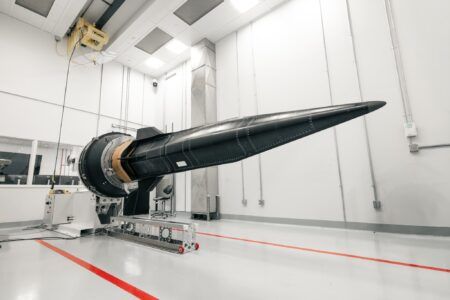
The 62ft (19m), two-stage Prime rocket uses a bio-propane propellant and is designed to carry payloads of up to 330 lb (150kg) to low Earth orbit. Key propulsion components are 3D printed, and the vehicle’s main structures are built from carbon fiber.
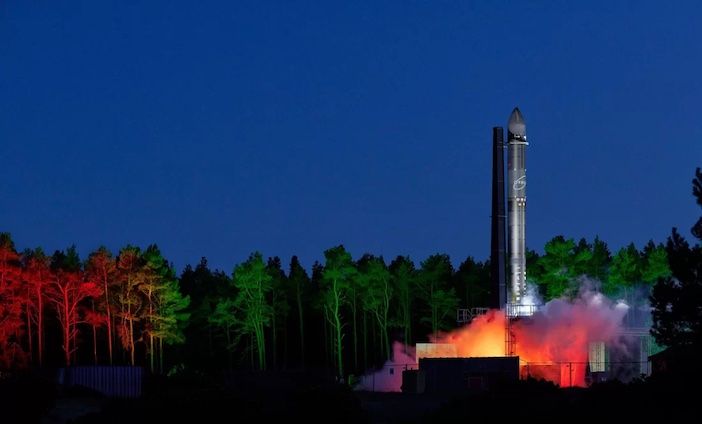
Orbex had been conducting integrated testing of the rocket at its facility in Kinloss, Scotland, including launch rehearsals and procedure optimization. The first test launches of Orbex’s microlauncher Prime were due to take place later this year, and according to the company it has commercial launch commitments from several satellite customers.
As administration neared, the company released previously unseen photographs showing Prime’s second stage and fairing structures assembled in near-flight configuration, alongside first-stage tank components awaiting integration.
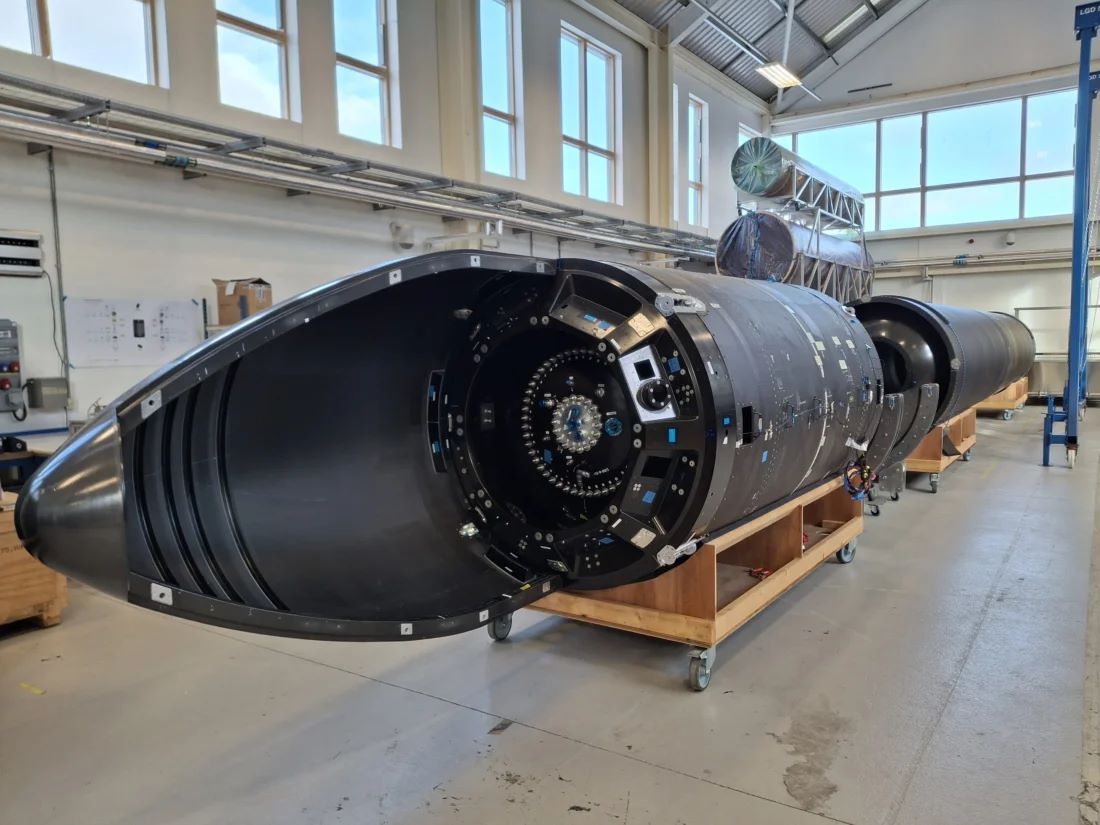
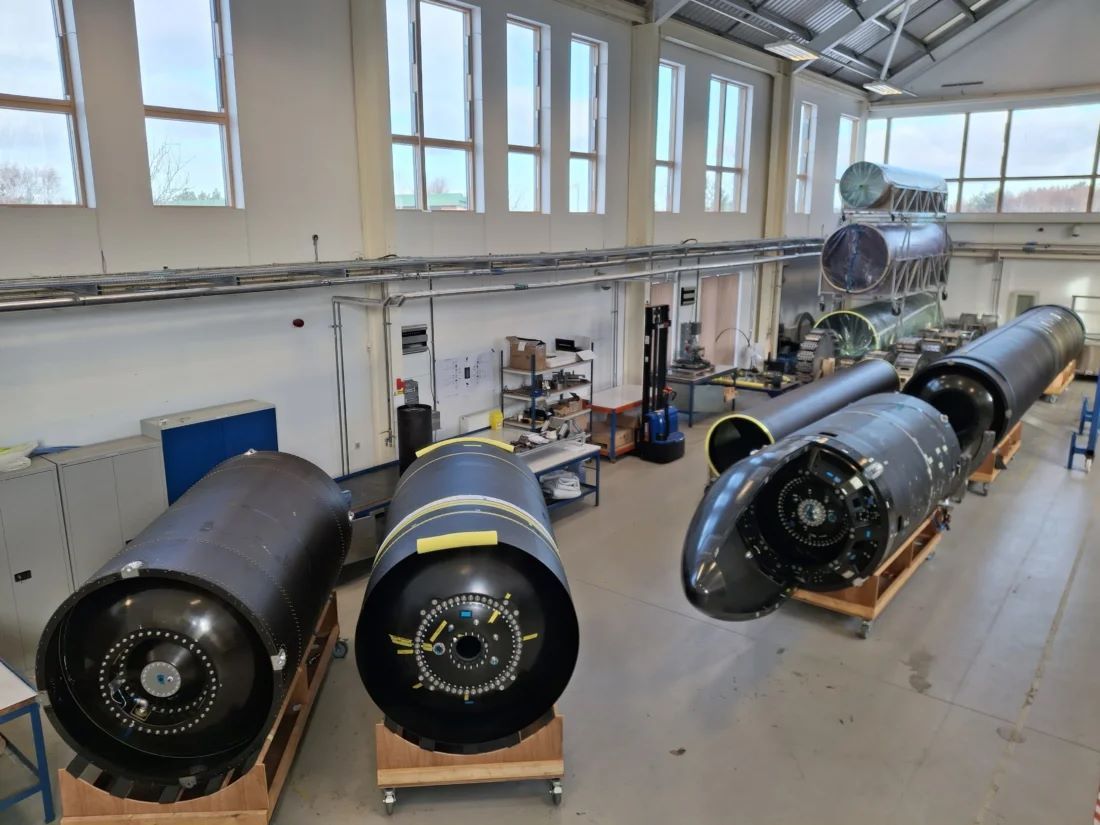
Andy Bradford, chief technology officer, said, “These images are testament to the progress we had made, and demonstrate the technological advancement we were making.”
Orbex had moved its planned launch operations from its own Sutherland Spaceport site to the SaxaVord Spaceport in the Shetland Islands in late 2024 to focus resources on vehicle development. The company had also been developing a medium-lift rocket called Proxima and was preselected by the European Space Agency for its European Launcher Challenge program in 2025.
Orbex’s imminent demise follows the failed Virgin Orbit air-launch mission from Cornwall in 2023 and would be a blow for the UK’s space sector, leaving only Scotland-based Skyrora as developing a sovereign launch capability in the country. No orbital rocket has ever launched vertically from UK soil.