

Hypersonica has raised €100 million (US$112 million) to accelerate development and testing of a European sovereign hypersonic deep-strike missile, following its first flight test earlier this year.
The British-German defense company said the funding will increase its testing cadence, expand operations across Europe and support hundreds of skilled engineering and manufacturing jobs in the UK and Germany.
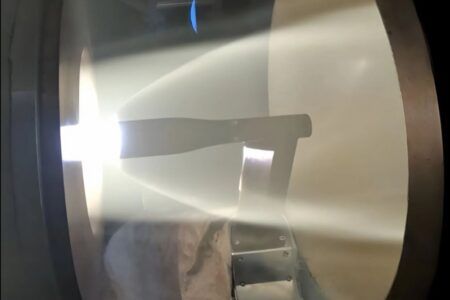
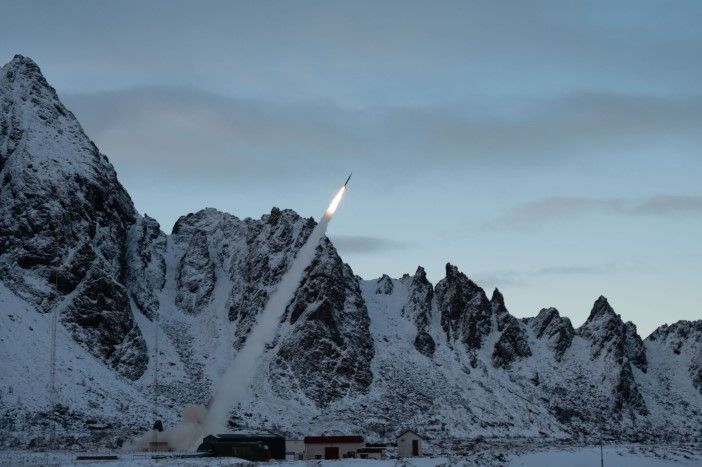
The investment follows Hypersonica’s first hypersonic test flight in February, when its single-stage Scooter HS-1 vehicle reached speeds above Mach 6 over a range of more than 186 miles (300km) from Andoya Space in Norway. It was the first such flight by a privately funded European defense company and was prepared from concept and design through to launch in nine months.
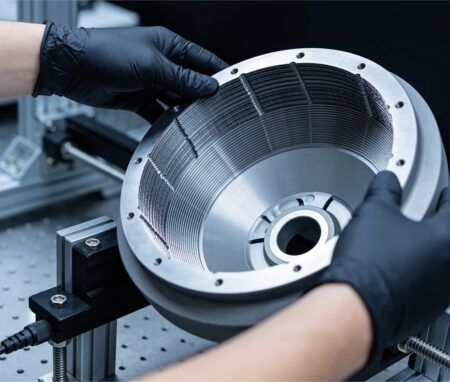
Hypersonica said its modular architecture reduces costs by more than 80% compared with conventional approaches, and that the February flight validated performance down to sub-component level at hypersonic speeds. The company is targeting a full hypersonic deep-strike capability by 2029 through a series of successive test flights.
Hypersonica’s co-founders Philipp Kerth, CEO, and Marc Ewenz, chief technology officer, said, “Series B marks our transition from demonstration to delivery. This funding will accelerate development, increase testing cadence, support European reindustrialisation and help ensure Europe has access to sovereign capability developed and produced in Europe.”
The round comes as European governments move from debating long-range strike to funding it. The UK’s Defence Investment Plan allocates an initial £770 million (US$1.03 billion) over four years to the UK-German Deep Precision Strike (DPS) programme under the Trinity House Agreement, while a NATO-led multinational initiative announced in July envisages £37 billion (US$50 billion) of DPS investment over the next decade.
Hypersonica said it develops and controls its technology in Europe and is focused on delivering sovereign capability that is free of US International Traffic in Arms Regulations (ITAR) export controls. Alexander Schmitt, a partner at Lightspeed, said the company “is redefining how advanced defence capability gets built”, pairing technical expertise with speed of execution.
The Series B funding round was co-led by Lightspeed and General Catalyst, with continued participation from existing investors including Plural and 201 Ventures.