

Emerson has expanded its global calibration services for test and measurement hardware, adding new in-lab and on-site capabilities in regions including the UK, Singapore, Malaysia, and India.
The expanded services provide NIST traceable, ANSI Z540.1 compliant, and ISO 17025 accredited calibration through certified centers. Emerson is operating the services through trusted partners including Micro Precision in the UK, providing local calibration capabilities to reduce downtime and costs.
Customers can schedule calibration services directly through Emerson’s local NI offices or the company’s online portal. Service delivery ranges from hours to days depending on the selected calibration method and location requirements.
The calibration expansion addresses industry compliance requirements for sectors including medical, electronics, environmental, automotive, and aerospace applications. Global ISO 17025 accreditation ensures compliance with industry standards for measurement accuracy and reliability.
In-country service availability reduces equipment downtime by eliminating international shipping requirements for calibration procedures. The approach enables faster turnaround times while maintaining calibration traceability and compliance documentation.
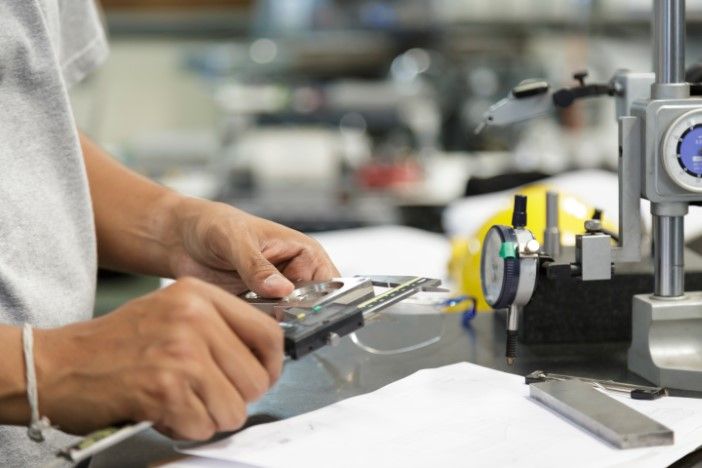
On-site calibration services allow equipment to remain in operational environments during calibration procedures, minimizing production interruptions. In-lab services provide controlled calibration environments for equipment requiring specialized test conditions or extended calibration procedures.
The expanded services now operate across more than 17 countries, providing regional coverage for global test and measurement operations. Local calibration capabilities support equipment lifecycle management while reducing operational costs associated with equipment transportation and extended downtime periods.
Emerson’s calibration network addresses obsolescence management challenges for test equipment portfolios spanning multiple years of operation. The services support both current equipment maintenance requirements and future-proofing strategies for evolving test and measurement needs.
Risk mitigation benefits include reduced costs from unexpected equipment failures and improved measurement reliability through regular calibration schedules. Quality assurance protocols ensure consistent calibration services worldwide while maintaining industry compliance requirements.